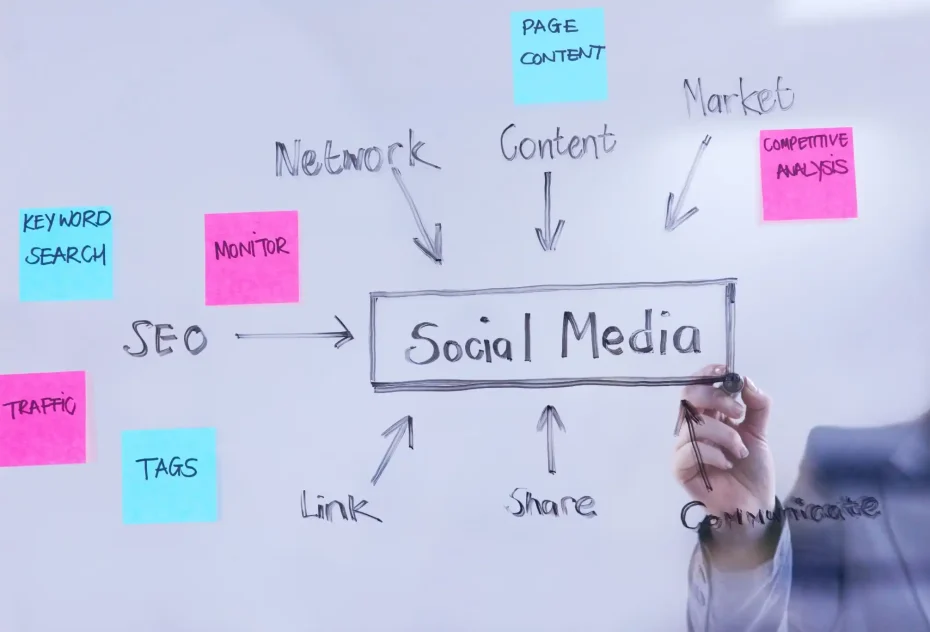
Creating content that performs well in search engines and satisfies real users is no longer optional—it’s essential. The modern SEO landscape demands a balance between technical optimization and user-focused value. Writers, marketers, and content strategists face the dual challenge of attracting organic traffic while keeping visitors engaged and satisfied.
Understanding how to create SEO content that aligns with search intent is key. Content must answer questions, solve problems, and guide users through actionable insights. Ignoring search intent or producing keyword-stuffed pages can lead to high bounce rates, low dwell time, and missed ranking opportunities.
This guide explores practical strategies for planning, structuring, and optimizing content. From keyword research to multimedia integration, it offers actionable steps to produce content that appeals to both humans and search engines, ensuring long-term visibility and engagement.
Understanding Search Intent in SEO Content
Search intent refers to the underlying goal behind a user’s query. There are four primary types:
Informational: The user seeks knowledge, like “how to optimize blog posts.”
Navigational: The user wants to reach a specific site, such as “HubSpot blog login.”
Transactional: The user is ready to buy, for example, “best wireless headphones under $100.”
Commercial Investigation: The user compares options, e.g., “iPhone 15 vs Samsung Galaxy S23.”
Understanding search intent ensures content addresses the user’s needs. Misaligned content, even if well-optimized, leads to poor engagement and low rankings. For instance, creating a generic blog post targeting a transactional query might generate traffic, but users will leave immediately because it doesn’t satisfy their intent. Proper intent mapping helps increase dwell time, reduce bounce rates, and improve SEO performance.
Key Principles for Creating SEO Content
High-performing SEO content is guided by three principles:
Relevance: Content must directly address the user’s query and provide actionable value.
Clarity: Information should be easy to understand, well-structured, and concise.
Balance: Optimize for search engines while keeping readability and flow natural for humans.
Content that educates, informs, or solves problems establishes trust and authority. Readers are more likely to share, link to, or return to content that balances insight with readability. This dual approach ensures SEO content is not just a ranking tool but a growth asset for the brand.
Planning Content Around Keywords and User Needs
Conducting Effective Keyword Research
Keyword research forms the backbone of content planning. Start by identifying keywords aligned with user intent. Analyze search volume, difficulty, and related terms to understand potential reach and competition.
Competitor analysis is equally valuable. Examine which keywords competitors rank for and identify content gaps. This approach helps you uncover opportunities to attract traffic that might be underserved. For example, if multiple competitors target “SEO tips,” but few address “SEO tips for small business blogs,” the latter becomes a strategic long-tail keyword target.
Mapping Keywords to Content Topics
Once keywords are identified, map them to specific pages or blog posts. Prioritize topics based on search volume, difficulty, and business relevance. Organizing content into clusters or silos ensures comprehensive coverage and helps search engines understand topical authority.
A content cluster approach can look like this:
Pillar post: “Complete Guide to SEO Content Creation.”
Cluster posts: “SEO Content for E-Commerce,” “SEO Blogging Tips,” “Optimizing Landing Pages for Search Intent.”
This structure reinforces internal linking and strengthens SEO relevance across related topics.
Structuring Content for Both SEO and Readers
Content structure plays a vital role in engagement and rankings. Use headings and subheadings to break up text and naturally incorporate target keywords. This improves readability for users and signals relevance to search engines.
Bullet points, numbered lists, and visual elements enhance scanning, making content more digestible. Logical flow ensures the content answers queries step by step—from understanding the problem to providing actionable solutions. Structured content also improves dwell time and encourages readers to explore related pages.
Writing Content That Satisfies Users
Writing for users requires clarity, actionable advice, and supporting evidence. Avoid jargon unless your audience expects technical terms. Include examples, case studies, or real-world scenarios to make content practical and relatable.
Concise paragraphs and smooth transitions enhance readability. Each section should answer a specific query or provide a solution, keeping readers engaged and reducing bounce rates. High-quality content that genuinely helps the audience earns trust, backlinks, and social shares—factors that indirectly boost SEO performance.
On-Page SEO Optimization Techniques
On-page SEO ensures search engines understand your content while maintaining user value. Integrate keywords naturally in:
Titles and headings
Meta descriptions and URLs
Internal and external links
Optimize multimedia elements such as images and videos. Use descriptive alt text, proper file names, and compress files for faster page speed. Page speed, mobile responsiveness, and user experience are essential ranking factors.
By combining technical optimization with user-friendly writing, content achieves both discoverability and satisfaction.
Enhancing Engagement Through Multimedia and Interactive Elements
Visual Content for Better Comprehension
Charts, graphs, and images can simplify complex information and provide visual appeal. Optimized visuals with alt text, captions, and structured data also improve SEO. For example, an infographic summarizing SEO best practices can attract shares and backlinks, increasing authority and traffic.
Interactive Features to Retain Visitors
Interactive elements such as quizzes, calculators, polls, or embedded tools encourage users to engage longer. For instance, a content ROI calculator embedded in a marketing blog can increase dwell time and return visits. Interactivity signals content value to search engines, enhancing ranking potential.
Maintaining Content Quality Over Time
Content isn’t “set it and forget it.” Regular updates maintain accuracy, relevance, and authority. Refresh statistics, examples, or references periodically. Monitor user feedback and analytics to identify areas for improvement.
Low-value content should be consolidated or removed to maintain site authority. A consistent approach to content maintenance ensures pages remain competitive, satisfy search intent, and continue to deliver value over time.
Measuring the Success of SEO Content
Success requires measurement. Track metrics such as:
Organic traffic
Bounce rate and dwell time
Click-through rates
Conversions or goal completions
Analytics reveal which content meets user intent and which requires optimization. Use insights to refine keyword targeting, adjust headings, or improve multimedia integration. Continuous monitoring creates a cycle of improvement, ensuring long-term SEO and user engagement success.
Common Mistakes to Avoid When Creating SEO Content
Avoid these pitfalls:
Keyword stuffing: Overloading content with keywords diminishes readability and can harm rankings.
Ignoring search intent: Misaligned content leads to poor engagement and high bounce rates.
Neglecting structure and readability: Long, unbroken paragraphs deter users.
Skipping multimedia: Visuals and interactive elements enhance comprehension and engagement.
Focusing on quality, intent alignment, and structured presentation is more effective than chasing rankings through manipulative tactics.
Conclusion
Creating SEO content that satisfies both search engines and users is a strategic process, not a one-time effort. By understanding search intent, conducting effective keyword research, and structuring content thoughtfully, writers can drive meaningful organic traffic.
Balancing readability, engagement, and optimization ensures content ranks, resonates with audiences, and builds brand authority. Integrating visuals, interactivity, and regular updates maintains long-term performance.
Ultimately, learning to create SEO content effectively transforms your pages from generic posts into strategic assets, achieving consistent visibility, higher engagement, and sustainable growth. A user-first mindset combined with optimization is the key to modern SEO success.
FAQs
1. What does it mean to create SEO content that satisfies users?
It means producing content that aligns with search intent, provides value, is easy to read, and encourages engagement and conversions.
2. How do I determine search intent for my keywords?
Analyze the type of query: informational, navigational, transactional, or commercial. Review top-ranking pages to see what users expect.
3. Should I prioritize readability or SEO optimization?
Both matter. Focus on readability first, then integrate keywords and SEO elements naturally to satisfy users and search engines.
4. How often should I update SEO content?
Regularly review content every 6–12 months or when trends, statistics, or algorithms change to maintain relevance and ranking potential.
5. Can multimedia really impact SEO performance?
Yes. Images, videos, charts, and interactive elements increase engagement, dwell time, shares, and backlinks, all of which positively influence SEO.