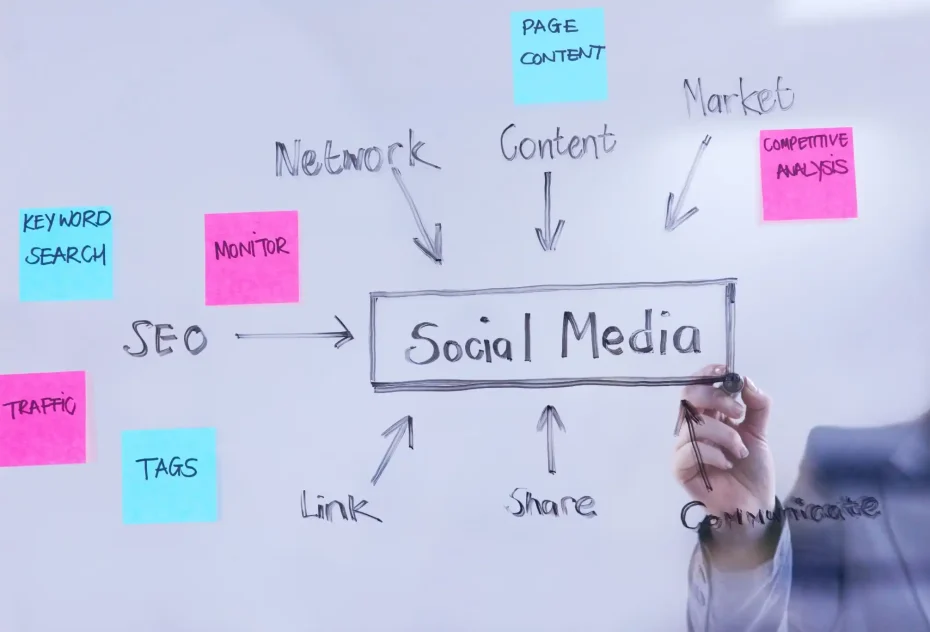
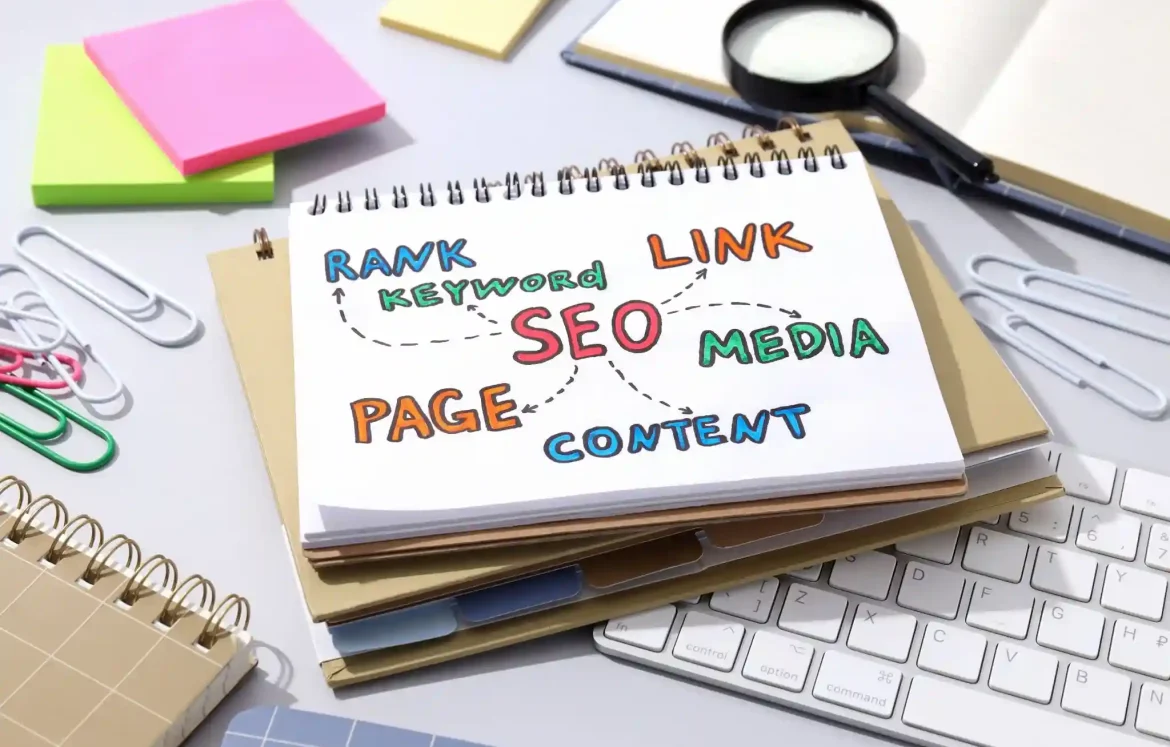
Many people ask if content alone is enough to rank a website. The short answer is sometimes yes, but not always. Search engines have changed a lot over the years, and they now look at more than just backlinks. Today, SEO content ranking depends on how useful, relevant, and clear your content is. Still, backlinks have not disappeared from the picture. The real question is when content can stand on its own and when it needs support from other signals.
How search engines evaluate content quality today
Search engines now focus heavily on user experience. They try to understand if your content answers the user’s question clearly. This includes checking how detailed your content is and how well it matches the search intent. SEO content ranking improves when your content shows depth and clarity. It is not just about keywords anymore. It is about how helpful your page is compared to others in the search results.
When content alone can rank successfully
Low competition keyword environments
If you target keywords with low competition, content alone can often do the job. In these cases, there are fewer strong pages competing for the same query. This gives your content a better chance to rank based on relevance alone. SEO content ranking becomes easier because search engines do not have many options to choose from.
Long tail keyword opportunities
Long tail keywords are more specific and often less competitive. These queries usually have a clear intent, and users are looking for direct answers. If your content provides that answer well, it can rank without backlinks. SEO content ranking works well here because quality and relevance matter more than authority.
Local and niche intent-driven searches
In some local or niche searches, users care more about accuracy than authority. For example, specific guides or unique topics may not have many strong competitors. In such cases, well-written content can rank on its own. SEO content ranking in these situations depends more on usefulness than link strength.
Limits of relying only on content
High competition search results
When you target popular keywords, the situation changes. Many strong websites compete for these terms. They already have authority and backlinks. In these cases, content alone may not be enough. SEO content ranking becomes harder because search engines trust established sites more.
Authority and trust signals
Backlinks still act as signals of trust. They show that other websites value your content. Without these signals, search engines may hesitate to rank your page highly. Even if your content is strong, it may struggle to compete in crowded search results.
Content depth and topical authority
Building content clusters
Creating multiple pieces of content around the same topic helps build authority. This shows search engines that your site has depth in a specific area. SEO content ranking improves when your site covers a topic from different angles. It builds trust over time.
Internal linking strategy
Internal links connect your content and help search engines understand your site structure. They also guide users to related topics. This improves both user experience and ranking potential. A strong internal linking system supports better visibility across pages.
User experience as a ranking factor
Engagement signals and dwell time
Search engines observe how users interact with your content. If users stay longer, it signals that your content is useful. This can improve rankings over time. SEO content ranking benefits from high engagement because it shows real value to users.
Readability and structure
Simple language and clear structure make content easier to read. This keeps users engaged and reduces bounce rates. Well-organized content performs better because users can quickly find what they need.
Role of search intent alignment
Matching content with user expectations
Your content must match what users are searching for. If someone wants information, your page should provide clear answers. If your content does not match intent, it will not rank well. SEO content ranking depends heavily on this alignment.
Informational vs transactional intent
Different searches have different goals. Some users want to learn, while others want to buy. Understanding this helps create the right type of content. When content matches intent, it performs better in search results.
Technical SEO support for content ranking
Technical SEO plays a quiet but very important role in how well content performs in search results. Even if your writing is strong, SEO content ranking can still suffer if the technical side of your website is weak. Search engines need a clean, fast, and well structured site to properly understand and rank your pages. This is why technical improvements are not optional when you want consistent visibility.
Page speed and performance signals
Page speed is one of the first things that affects both users and search engines. If a page loads slowly, visitors often leave before reading anything. This increases bounce rates and sends weak signals to search engines. A fast loading site improves engagement and helps search engines crawl more pages efficiently. Optimizing images, reducing heavy scripts, and using better hosting all contribute to stronger SEO content ranking over time.
Mobile usability and responsive design
Mobile friendliness is now a core ranking factor. Most users access content from phones, so a site that does not adjust properly to different screen sizes loses traffic quickly. Responsive design ensures text, images, and layout adapt smoothly.
Crawl structure and indexing control
Search engines rely on crawling to discover and understand your pages. If your site structure is confusing, important content may not get indexed properly. Clean URLs, proper internal linking, and an updated sitemap help search engines move through your site easily.
Structured data and content clarity
Structured data helps search engines understand what your content is about in a clearer way. It does not guarantee higher rankings directly, but it improves how your pages appear in search results.
Content freshness and consistency
Updating existing content
Updating content keeps it relevant. Search engines prefer fresh information, especially for topics that change over time. Regular updates improve long-term performance.
Publishing frequency impact
Publishing content regularly shows that your site is active. It helps build authority and keeps your audience engaged. Consistency supports better growth in rankings.
Strategic use of backlinks alongside content
Natural link acquisition through value
Good content can attract backlinks naturally. When people find your content useful, they may link to it. This strengthens your site without direct effort.
When backlinks become necessary
In competitive niches, backlinks still play an important role. They help build authority and improve trust. Combining them with strong content gives better results.
Common misconceptions about content-only SEO
Belief that content alone always works
Some believe that content is enough in every case. This is not true. Results depend on competition and niche. SEO content ranking varies based on these factors.
Ignoring competition analysis
Without studying competitors, it is hard to know what is needed to rank. Understanding the competition helps set realistic expectations.
Practical approach for a balanced SEO strategy
Combining content with authority building
A balanced approach works best. Strong content builds the base, while backlinks add support. Together, they create a stable ranking strategy.
Scaling content without losing quality
Publishing more content is good, but quality should not drop. Focus on creating useful and clear content. This ensures long-term success.
Conclusion
Content alone can rank in certain cases, especially with low competition and clear intent. However, it has limits. For stronger and more consistent results, combining content with authority signals is the better approach. SEO content ranking works best when both quality and trust come together. When content is detailed, easy to read, and aligned with what users are searching for, it creates a strong foundation. Still, in more competitive spaces, that foundation often needs support from backlinks and brand signals. Over time, even strong content tends to attract links naturally, which shows that both elements are connected. Instead of choosing one over the other, it is more practical to focus on building useful content first, then support it with authority-building efforts. This balanced method not only improves rankings but also creates long term stability, helping websites stay visible even as search trends and algorithms continue to change.